
Europe attractive market for the import of cumin seeds
Cumin seeds import to Europe attractive market accounts for about 10% of the world’s total cumin seed imports. Cumin seeds are used in food and retail industries in Europe and the development of food industry and the supply of new products has increased the demand for these seeds. In Europe, cumin seeds are used to make meat products such as sausages, hot dogs, sauces, and cheese processing industries, or bakeries. It is also used as a substance in the mixture of various spices. Another factor in increasing imports and demand for cumin seeds in European countries is the popularity of the food culture of South Asian and Mediterranean countries. Also, the tendency of people to follow a healthy life style such as veganism and vegetarian has increased the consumption of these seeds that are useful for health.
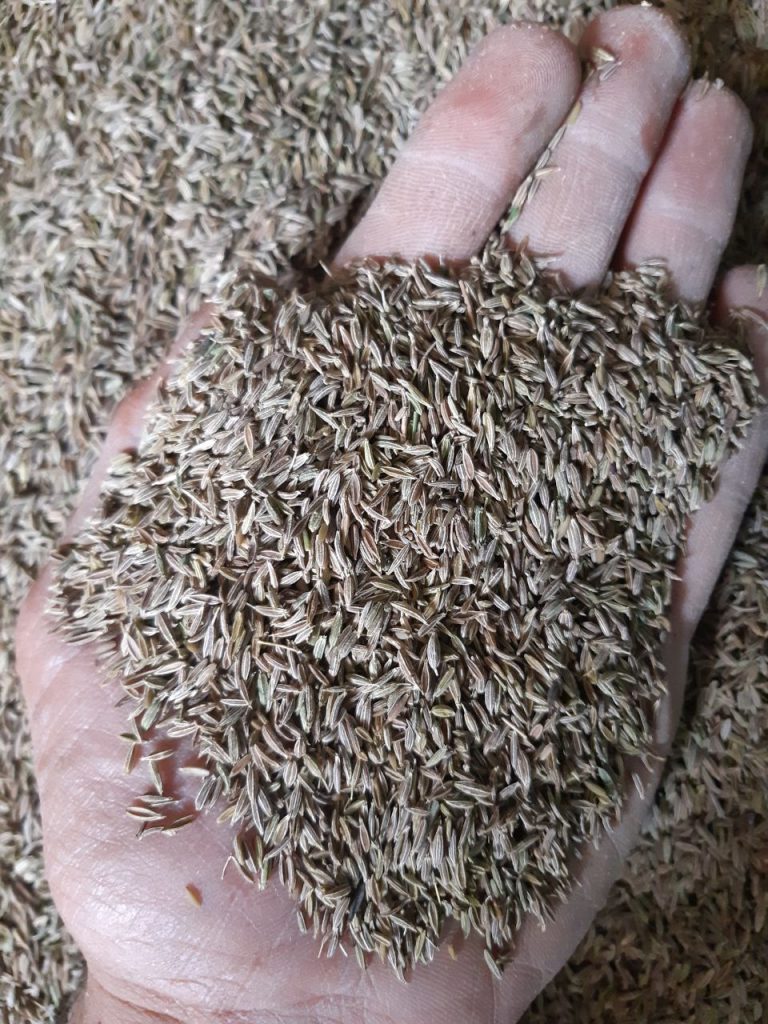
The origin of cumin plant, which is a type of medicinal plants, is our country Iran in the Mediterranean, and now there are good opportunities for its export. The ripe and dried fruits of the cumin plant are called cumin seeds, which are used as spices and herbal medicines. Cumin seeds are grayish brown in color, have a sweet aroma with a slightly bitter and spicy taste and a warm nature, and thy are mostly consumed in South Asia and the Middle East, as well as North Africa. These seeds are a common spice in meat and grilled foods in these areas. They are also used in the preparation of mixed spices such as curry, masala and pepper powder and some other sauces. The largest producers and exporters of cumin in the world are India 86%, Iran 4%, Russia 3%, and Turkey 2%. Of course, India consumes 50% of its cumin in the domestic market. India is also the largest supplier of black cumin in the world market, followed by Turkey, Egypt and Ethiopia.
HS code of cumin seeds in the world market is known as 090931.
How is the potential of major European markets for cumin seeds import?
Since 2016, Cumin seeds import to Europe attractive market
have increased at an annual rate of 7%, which 73% of these imports coming from cumin production in developing countries and the remaining 23% through European domestic trade. Cumin is not grown commercially in Europe, so its consumption is almost equal to imports, because small quantities of these imports are re-exported outside Europe, also due to the fact that cumin seeds are produced in hot and dry climates, the European climate is not suitable for growing cumin, and makes the production of this product vulnerable. A limited number of European countries, such as Bulgaria, grow cumin seeds and spices, so European demand for cumin seeds is relatively stable.
A large percentage of about 68% of European cumin imports is in the form of whole cumin seeds and the remaining 32% is imported in the form of crushed or ground. European traders prefer to import whole cumin seeds so that they can carry out the necessary tests to detect and control the presence of contaminants and allergens more easily and simply. Then, after importing the whole grain, it is ground and turned into cumin powder. Usually, before pulverization, in order to prevent microbiological risks, cumin seeds are first subjected to heat treatment and then, depending on the needs of the market and the target community, are packaged either as whole cumin seeds or cumin powder with different grades and sent to the consumer market.
Britain’s Great market of cumin seeds in Curry spice industry:
The UK is the largest importer of cumin seeds in the European market due to its high consumption and highly developed curry industry, which also provides special opportunities for curry suppliers. Large populations of Indian and Pakistani immigrants live in the UK, and this has led to the formation and prosperity of the curry market in this country, also there are several curry restaurants in this country. Also, due to the importance of the curry industry and the promotion and attention to this industry in the UK, National curry Week is held and celebrated.
in addition to curry Cumin seeds are used in the preparation of food and other products such as pickled vegetables, falafel, etc. The largest volume of cumin seeds imported to the UK is supplied by cumin products of India. In general, India is the largest supplier of cumin seeds with a share of 70% of world production, which has the largest share of the British market in terms of cumin supply. The next are Pakistan, Russia, Turkey and Egypt.
Other large or growing markets in Europe are Germany, the Netherlands, France and Poland, which we will briefly describe.
German market, leading in the import of cumin seeds and organic spices:
Germany is the largest market in Europe in the field of food and organic plant products. It is an attractive market for organic cumin seeds after the United Kingdom due to its high population. In Germany, fast food and kebab are popular. Doner Kebab (Doner) is the largest kebab market in Europe, which has cumin powder in the combination of spices. Also, since the German people are the largest consumers of sausages in Europe and the production of meat products such as sausages and kebabs is very prosperous, they also use cumin seeds in the production of the above meat products.
Germany also prefers whole cumin seeds for more imports, because whole seeds retain their flavor better than cumin powder, and the result of analysis and testing of contaminants and allergens is easier and more reliable. Iran, Syria and Turkey are the main exporters of cumin to Germany and cumin produced in India does not have a large share in the German import market. Cumin is also used in the preparation of mixed spices, curry, pickled vegetables, as well as for flavoring alcoholic beverages and so on. Germany is a leading country in the production of spices in Europe and even they have an association called the Spice.
click on link to know more about health benefits of cumin seeds :
Cumin seeds in the Dutch market, the largest consumer of cumin in Europe:
The Netherlands, the center of trade and re-export of spices in Europe, has increased its imports of cumin seeds since 2016. Most of these imports are as whole cumin seeds, some of the cumin imported in the Netherlands are consumed domestically and the rest is re-exported within Europe. The main supplier of cumin in the Netherlands is India, which has the largest market share in the Netherlands.
In the Netherlands, cumin powder is also known as jintan. The highest consumption of cumin in the Netherlands is in the food industry and services. The Netherlands is a world leader in cheese production, and cumin is used as a flavoring in cheese production. Dutch gouda cheese is also known in the world, which is made from cumin. In the retail sector, Indian, Indonesian and Turkish restaurants use cumin to flavor Asian dishes.
Spanish importing and re-exporter market of cumin:
Imports of cumin seeds to Spain, like other countries, are as full cumin seeds but a small percentage of these imports are powder and shredded cumin. Spain processes the imported cumin seeds into powder and then re-exports them to other countries such as Cuba, France and the United Kingdom. The main supplier of cumin seeds to Cuba is Spain through re-export method. India is the main supplier of cumin seeds for Spain. Spain’s imports of cumin seeds have declined in recent years.
Cumin imports to the France market and variety of flavors:
Cumin imports to France have grown since 2016. Whole cumin seeds also account for the highest percentage of imports. And a small percentage is imported as ground cumin. And usually, half of these imported cumin seeds, which are in excess of domestic consumption, are re-exported. Turkey is the largest supplier of cumin to France. In the next rank, Syria, as well as Spain, with its re-export, has a share of the France market.
Cumin is used in France for vegetables, meat and fish. In France, cumin is also used as a flavoring to make cheese. The most famous type of cumin cheese in France is called Monster. Another French food product in which cumin is used is Canned apricot and its jam with cumin. This product is used as an appetizer and dessert with cheese.
Polish transit market for cumin seeds import:
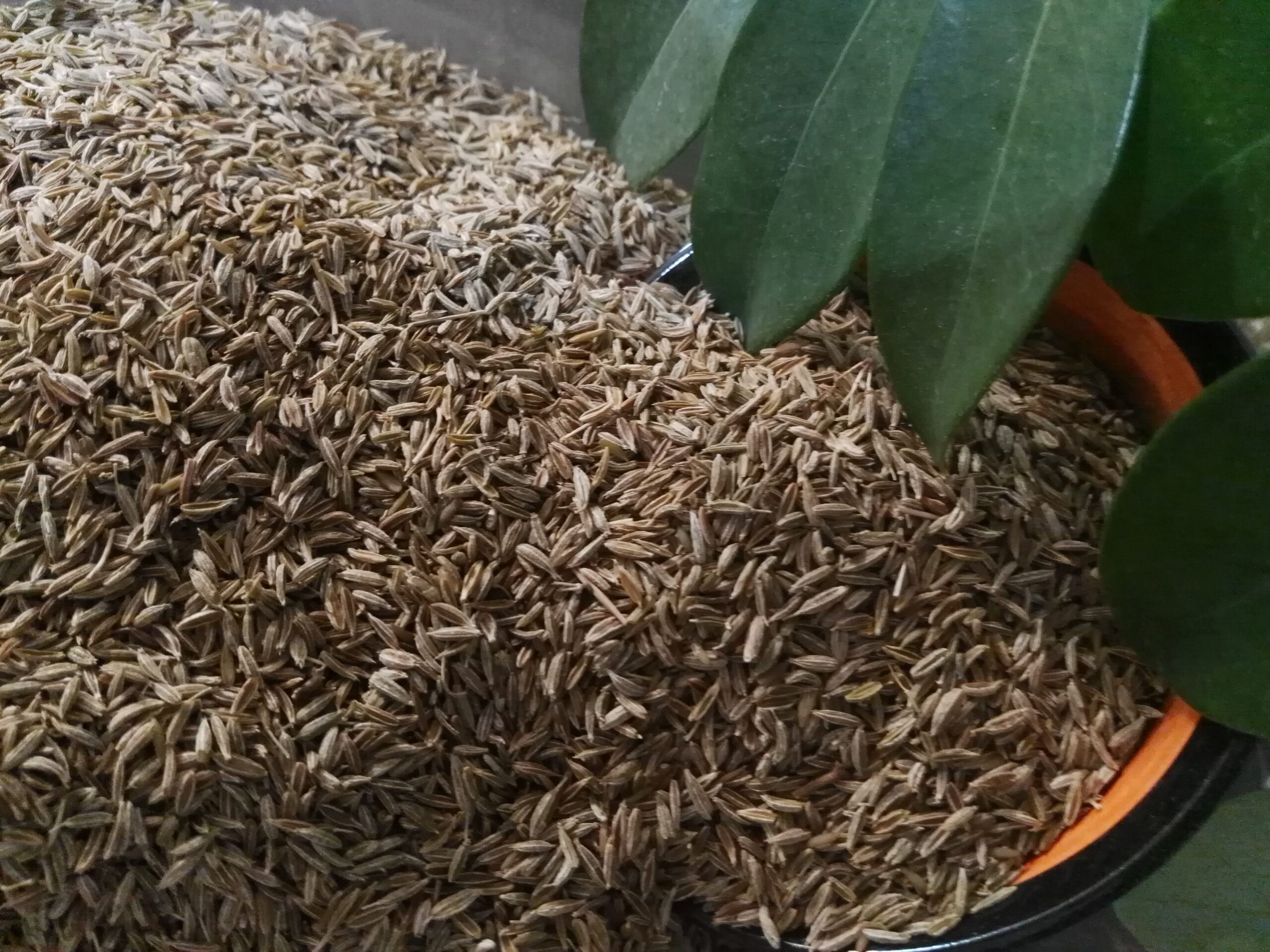
During 2016 onwards, the volume of cumin imports to Poland has increased significantly. Eighty-five percent of Poland’s imports are whole cumin seeds, and the remaining 15 percent of Polish cumin’s imports are crushed and ground seeds.
The Polish domestic market for cumin consumption is a small market, and a small amount of this imported cumin is consumed domestically, but due to the spread and popularity of other nations’ foods among the people, the consumption of cumin seeds is expected to increase in the future. Poland’s cumin import capacity is mostly a transit market for re-exporting cumin to other European countries such as Germany and Croatia. India and Lithuania are the main suppliers of Polish cumin.
Tagged attractive European market to the import of cumin seeds, Cumin import, cumin powder import, Cumin products, cumin seeds export, cumin seeds import, Cumin seeds import to Europe, Cumin seeds import to Europe is Attractive, cumin seeds import to European market, cumin seeds market, cumin seeds spice, cumin spice, Europe attractive market, Europe attractive market for the import of cumin seeds, European market, European market and attractiveness of cumin seeds import, European market and cumin seeds import, European market to cumin seeds import, European market to import cumin seeds, European market to import of cumin seed, export of cumin seeds, good cumin seeds, high quality of cumin seeds, import of cumin seeds, Iranian cumin import, Iranian cumin seeds, sells for cumin seeds, spice of cumin seeds, the import of cumin seeds