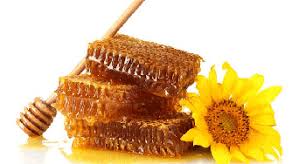
There is variety in honey and depending on the type of flower nectar that the bee feeds on, the taste, aroma, color and texture of honey are different, so we have honey as many flowers as we have in the world.
Certainly, export high quality honey, like any other product, must meet the requirements for successful entry and sustainable supply to the world’s competitive markets.
Three essentials factors of any product in relation to success in competitive markets are
First of all, what is important for the buyer of export honey in the destination country is definitely the quality of export honey, a high quality that has met the health, safety and hygiene of consumers in accordance with international food standards.
Sending high quality honey to the buyer will definitely lead to seller’s success in good competitive markets and customer satisfaction in his country. Therefore, the high quality and consumer satisfaction leads to re-orders and a long-term business.
High quality honey for export
High quality for export honey depends on the following important parameters
The results of honey analysis tests must be acceptable and in accordance with the standards.
The honey should be raw and has not heated.
Honey should not be exposed to sunlight.
Desired taste and aroma of honey.
Non-organic and chemical drugs are not used to treat bee disease.
Bees are not feed by sugar.
a) Analysis results
Analysis of export honey is the first item that the buyer requests and usually the first issue they look for in the analysis is sucrose and hmf (hydroxymethyl furfural).
The percentage of sucrose indicates the purity and naturalness of honey and whether the bee has produced honey with the natural nutrition of flower nectar or has used artificial nutrition such as sugar. The average percentage of sucrose below 3% indicates high quality of honey, which is approved by most countries.It should be noted that sucrose alone is not a measure of the purity and quality of honey, because sometimes the standard percentage of sucrose in different honeys varies depending on the type of nectar and pollen that the bee was fed.
For example, sucrose up to 5% for honey is also acceptable.The amount of hmf in honey analysis indicates the level of hydroxymethyl furfural, which should be below 40 mg / kg and indicates the heating rate of honey.The higher the percentage of this substance due to high and non-standard heat, indicates the change in the nature of honey and the destruction of all enzymes
For more information and other items to be analyzed, refer to the post related to honey analysis
b) Raw honey
Indicates that the honey has not been heated because the honey itself is produced at a temperature of 40 degrees. Heating up to 40 degrees is allowed by international regulations.
c) Sunlight
honey should not be exposed to sunlight, because sunlight destroys vitamins and other light-sensitive enzymes.
d) Taste, smell and aroma
This point is very important for the end consumer and guaranties the costumes.In general, should be tasty and have a pleasant smell and aroma so that the customer wants to buy it again. The customer is more attracted to these parameters.
e) Organic drugs for the treatment of bee diseases
The most common drug used for bees is anti-tick treatment.Unfortunately, some uninformed beekeepers use low-quality chemicals instead of organic drugs, which lead to the entry of these chemical substances into the honey, so to prevent the presence of chemicals, nitrates and toxins in bee honey, no chemical drugs should be used during the natural honey production
B) packaging of export Honey
quality honey packaging for export
Each country prefers a special packaging according to the type of culture of people and the type of climate of its region.Packaging in accordance with that culture is also a kind of respect for the buyer and consumer of that country.If you offer high quality honey with a special and stylish packaging according to the tastes of your target market customers, it will cause more popularity and sales of your products.
According to the rules of consumer protection and safety and health of the World Food Standards Organization and the European Union, when packing products, it is necessary to make sure that the product label contains information about the packaging content, nutritional value and calories, consumption, restrictions, being allergic, organic or non-organic etc. and is market-friendly and prepares it for the market.
C) Price
The main criterion for pricing honey is its quality, and the best way to know the quality is to test a sample of honey in a specialized honey laboratory. The higher quality of honey and the more purity the laboratory results show, will lead to higher price definitely. The quality of packaging and the type of container used, which can be glass, plastic, metal or other types are also factors affecting the price of honey. Finally, that honey is desirable for the consumer market, which, in addition to very high quality and stylish packaging, also has a fair final price.
Types of honey based on the type of flower
Honey has different medicinal and therapeutic properties depended on the fact that it is produced from the nectar of several flowers, and due to the different internal compositions of that flower.Therefore, it is generally divided into three categories
Single flower honey
To produce single-flowered honey, bees are kept in an area covered with specific flowers and plants, and their predominant nutrition is from the nectar and pollen of the same flower or plant, and often has its own flavor and color. It is not possible for a single flower honey to be 100% complete from the nectar of a plant, so they are named according to the dominant plant fed by bees in that area. In some areas it is observed that one type of plant is planted more.
Example: Bees that grow in the northern regions of Iran around citrus gardens and their main food is the blossoms of citrus trees; produce Citrus honey. Or thyme honey, which is harvested from mountainous areas covered by this plantor same for Alfalfa fields, coriander etc.
Mixed honey (multi-plant)
Bees feed on several types of flowers or plants to produce mixed honey. Due to the great variety of flowers and plant species, on wild and mountainous plants most honeys produced there, are mixed of several plants. When bees feed on mountain plants, the honey is called mountain honey.
Forest honey
This type of honey is obtained from rare wild plants and trees that grow in forest areas, and bees that produce forest honey are different from farmed bees, and have a smaller body. These bees make their colonies on top of the trees or rock crevices in the mountains. Wild honey has unique properties due to the nectar of rare plants.
Each honey has different characteristics such as: color, texture, viscosity, taste, smell and speed of crystallization. These characteristics vary depending on the nectar collected by the bees. The names of honeys are also varied due to the large number of flowers from which bees produce honey. Here we only mention the names of some honeys.